
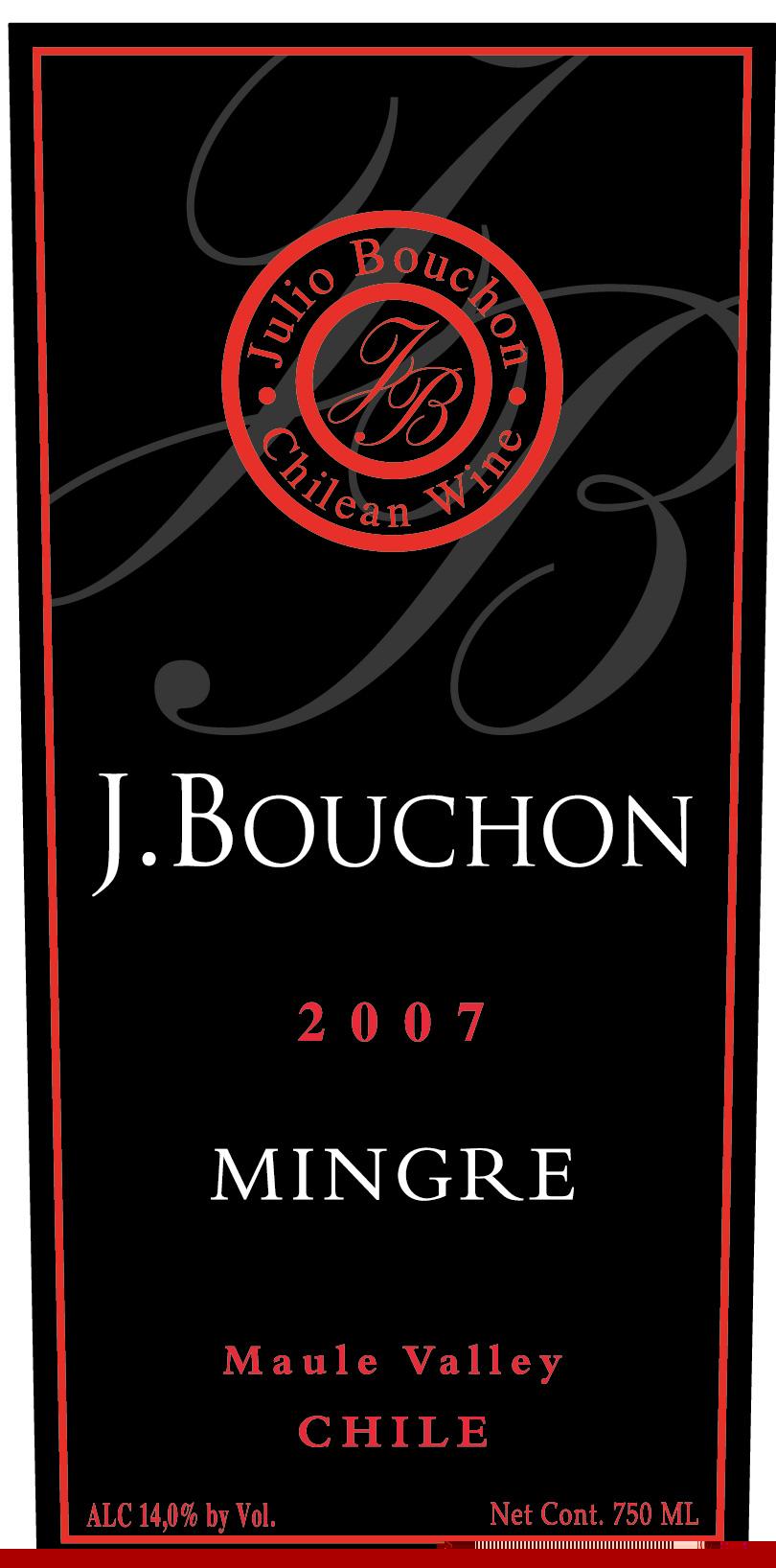
2007 Maule Valley Cabernet Sauvignon, Malbec, Carmenere, Syrah
J. Bouchon Migre is an exquisite red wine from the esteemed Maule Valley, capturing the essence of its unique terroir with a captivating blend of Cabernet Sauvignon, Malbec, Carmenere, and Syrah. This 2007 vintage presents a medium-bodied profile, offering a delightful harmony between its moderate acidity and well-structured tannins, creating a wine that is both approachable and sophisticated. The wine reveals prominent notes of dark fruits, intertwined with subtle hints of spice and earthy undertones, inviting you to savor each sip. Its dryness elegantly enhances the overall experience, making it a fantastic companion for a variety of dishes, from hearty meats to rich, savory stews. Enjoy this wine as it embodies the rich heritage of the Maule Valley and showcases the passionate craftsmanship of the region.
J. Bouchon Migre is an exquisite red wine from the esteemed Maule Valley, capturing the essence of its unique terroir with a captivating blend of Cabernet Sauvignon, Malbec, Carmenere, and Syrah. This 2007 vintage presents a medium-bodied profile, offering a delightful harmony between its moderate acidity and well-structured tannins, creating a wine that is both approachable and sophisticated. The wine reveals prominent notes of dark fruits, intertwined with subtle hints of spice and earthy undertones, inviting you to savor each sip. Its dryness elegantly enhances the overall experience, making it a fantastic companion for a variety of dishes, from hearty meats to rich, savory stews. Enjoy this wine as it embodies the rich heritage of the Maule Valley and showcases the passionate craftsmanship of the region.


